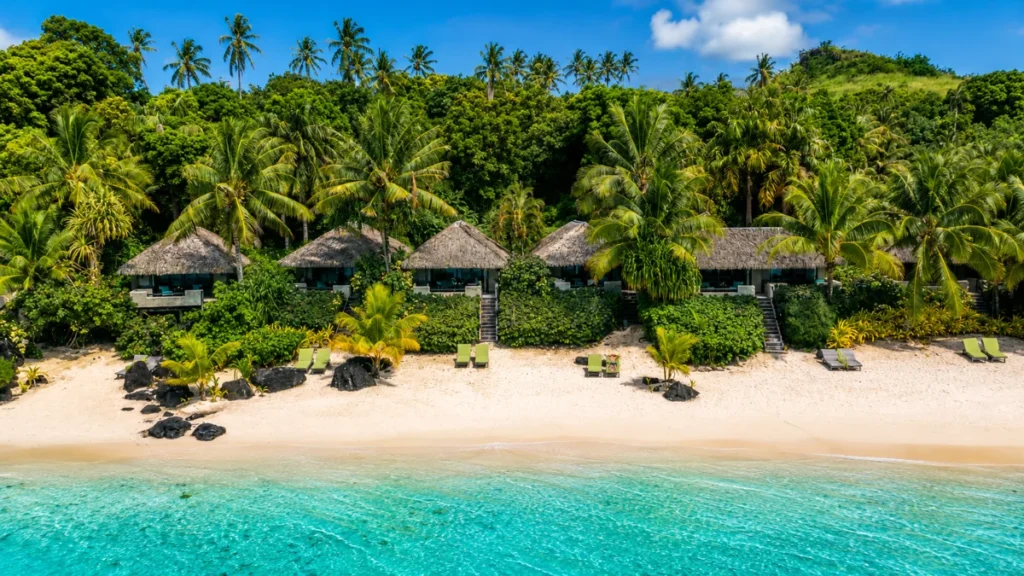
Many travelers compare the Cook Islands and Hawaii because both promise warm beaches, Pacific scenery, and a break from everyday life. But when the goal is a slower island experience, the choice becomes more personal than simply asking which destination is more beautiful.
If you want a quieter, simpler, and more naturally slow island holiday, the Cook Islands will usually feel slower than Hawaii. Hawaii can still offer relaxing moments, especially on islands like Kauai, Maui, Lanai, or Molokai, but it is generally more developed, busier, and easier to fill with activities.
The decision can feel confusing because social media often shows both places as peaceful tropical escapes. In real life, they feel quite different. The Cook Islands often feel smaller, more local, and more removed from mainstream tourism. Hawaii usually feels more polished, convenient, and activity-rich.
This article will compare Cook Islands vs Hawaii for a Slower Island Experience in a realistic way, so you can understand the atmosphere, pace of life, crowd levels, budget expectations, travel tradeoffs, and which destination is more likely to suit your travel style.
The Real Pacific Travel Reality Check
A slower island holiday sounds simple, but Pacific travel often comes with realities that are easy to forget during planning. Flights can be long, connections may not line up perfectly, and remote island destinations often move at a different rhythm from larger tourism places.
The Cook Islands, especially Rarotonga and Aitutaki, often reward travelers who are comfortable with simple days. You may spend time driving slowly around the island, eating at a small café, swimming in a lagoon, waiting calmly for a transfer, or doing very little at all. That is not a weakness of the destination. It is part of the experience.
Hawaii is also in the Pacific, but it usually feels more connected to mainstream travel. There are more flights, more hotels, more restaurants, more organised tours, more shops, and more traffic in popular areas. That convenience can be useful, but it can also make the holiday feel less slow if you fill every day with activities.
Both destinations can be beautiful. The real difference is not only the scenery. It is the pace, the pressure, the level of development, and how easy it is to stay quiet once you arrive.
What Many Travel Articles Miss
Many travel articles compare destinations through beaches, resorts, activities, and photos. Those details matter, but they do not fully explain how a place feels once you are actually there.
A slower island experience is not just about having fewer things to do. It is about how the destination shapes your day. Do you feel pulled toward tours, restaurants, shopping, and sightseeing? Or do you naturally settle into walking, swimming, reading, talking, resting, and eating slowly?
This is where the Cook Islands and Hawaii differ. The Cook Islands often make it easier to slow down because there are fewer distractions and less pressure to see everything. Hawaii gives travelers more choice, but that choice can sometimes turn a relaxing trip into a busy one.
That does not make one destination better than the other. It simply means they suit different kinds of travelers.
Cook Islands vs Hawaii Quick Comparison
If you are deciding mainly by pace, the Cook Islands usually feel slower overall. Hawaii can still be relaxing, but it depends heavily on which island you choose, where you stay, and how much you try to do.
| Travel Factor | Cook Islands | Hawaii |
|---|---|---|
| Overall pace | Very slow, relaxed, and simple | Moderate, depending on island and itinerary |
| Best slow-travel feel | Rarotonga, Aitutaki, smaller island stays | Kauai, Lanai, Molokai, quieter parts of Maui or Big Island |
| Crowd levels | Generally lower and less intense | Can be high in popular areas, especially Oahu and resort zones |
| Convenience | More limited, simple, and slower | Much easier, with more services and choices |
| Resort feel | Smaller, quieter, less polished | More developed, polished, and varied |
| Activities | Lagoon, beaches, markets, slow drives, cultural evenings | Beaches, hikes, shopping, surf, volcanoes, tours, dining, nightlife |
| Local atmosphere | Strong small-island feel | Strong cultural identity, but mixed with large tourism infrastructure |
| Best for | Travelers who want quiet, simplicity, and fewer distractions | Travelers who want relaxation with convenience and variety |
This table shows the main tradeoff clearly. The Cook Islands are usually better if your priority is slowing down. Hawaii is usually better if you want an island holiday that still offers comfort, services, and plenty of things to do.
How the Daily Pace Feels
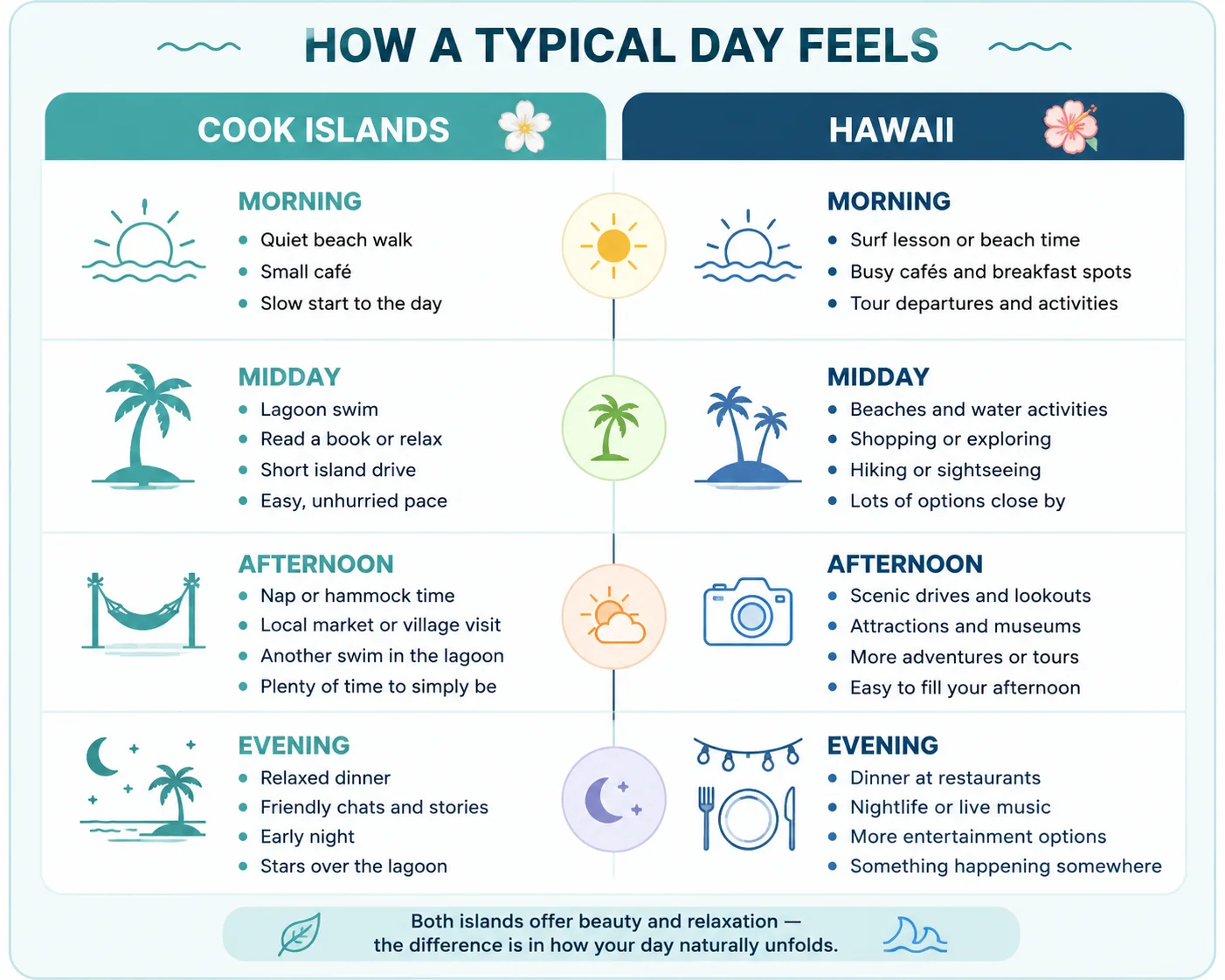
A slower island experience is often felt most clearly during an ordinary day. This diagram should help readers see how each destination can feel from morning to evening, rather than only comparing beaches or hotel styles.
| Time of Day | Cook Islands Feel | Hawaii Feel |
|---|---|---|
| Morning | Quiet beach walks, small cafés, slow starts, lagoon views | Early tours, breakfast spots, surf lessons, traffic in popular areas |
| Midday | Swimming, snorkeling, short drives, simple local stops | Beach time, shopping, hikes, attractions, restaurant choices |
| Afternoon | Rest, reading, scooters, relaxed markets, slow island roads | More movement between beaches, tours, scenic drives, resort activities |
| Evening | Quiet dinners, early nights, calm local atmosphere | Restaurants, entertainment, nightlife in some areas, busier resort zones |
The Cook Islands often feel slower because the day naturally has fewer competing demands. Hawaii can still be relaxing, but many travelers need to choose slowness more intentionally.
Expectation vs Reality
Travelers often expect both destinations to offer the same kind of peaceful island escape. In reality, the experience depends on how developed the destination feels and how much activity sits around you.
| What Travelers May Expect | What the Cook Islands Often Feel Like | What Hawaii Often Feels Like |
|---|---|---|
| Quiet beaches everywhere | Many beaches and lagoon areas feel calm, especially outside busy times | Some beaches are peaceful, but famous beaches can be crowded |
| Slow island life all day | The slower pace is part of the normal rhythm | Slow travel is possible, but not automatic in popular areas |
| Easy planning | Simple, but with fewer options and more limited transport | Easier to plan, with more flights, hotels, tours, and services |
| Local cultural feel | Often easier to notice in daily island life | Strong cultural identity, but tourism development can feel more dominant |
| Perfect weather | Warm and tropical, but rain and humidity can still affect plans | Varied by island and season, with different weather zones and moods |
This is why expectation matters. If you arrive in Hawaii expecting it to feel like a remote island village, you may be surprised by the traffic, hotels, shopping, and busy beaches. If you arrive in the Cook Islands expecting polished luxury and endless activities, you may find the pace too quiet.
Atmosphere and Feel
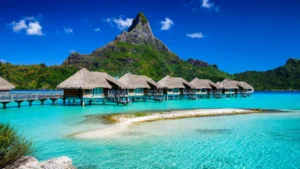
The Cook Islands often feel calm, small, and personal. Rarotonga has a gentle rhythm shaped by the coastal road, lagoon, local markets, church life, small restaurants, and short distances. Aitutaki feels even more lagoon-focused and removed, especially for travelers who want a peaceful setting rather than a packed itinerary.
There is a softer edge to the Cook Islands. The destination does not usually feel like it is trying too hard to impress you. That can be refreshing for travelers who are tired of highly polished tourism. The beauty is there, but the experience often feels more grounded, local, and slow.
The Cook Islands often feel like a place where time quietly stretches. You may find yourself watching the lagoon for longer than you planned, lingering over lunch without checking the time, or taking the same slow coastal road again simply because there is no real rush to be somewhere else.
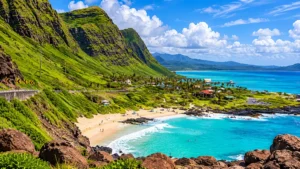
Hawaii has a different atmosphere. It can be deeply beautiful, culturally rich, and emotionally powerful, but it is also larger, more developed, and more varied. Oahu can feel energetic and urban in places. Maui can feel polished and resort-focused. Kauai often feels greener and slower. Big Island feels spacious and dramatic. Lanai and Molokai can feel quieter, but they require more intentional planning.
Hawaii often invites you to explore one more beach, one more town, one more viewpoint, or one more restaurant before the day ends. That can be exciting and rewarding, but it can also make the trip feel less restful if your real goal is to slow down completely.
So when travelers ask which feels slower, the answer depends partly on which Hawaii they mean. Still, compared with the Cook Islands, Hawaii generally has more movement, more choice, and more tourism infrastructure around the experience.
Island Experience Scale
This diagram should help readers understand the overall personality of each destination. It should not repeat the daily pace diagram. Instead, it should show where each place sits between remote, relaxed, developed, convenient, local, and polished.
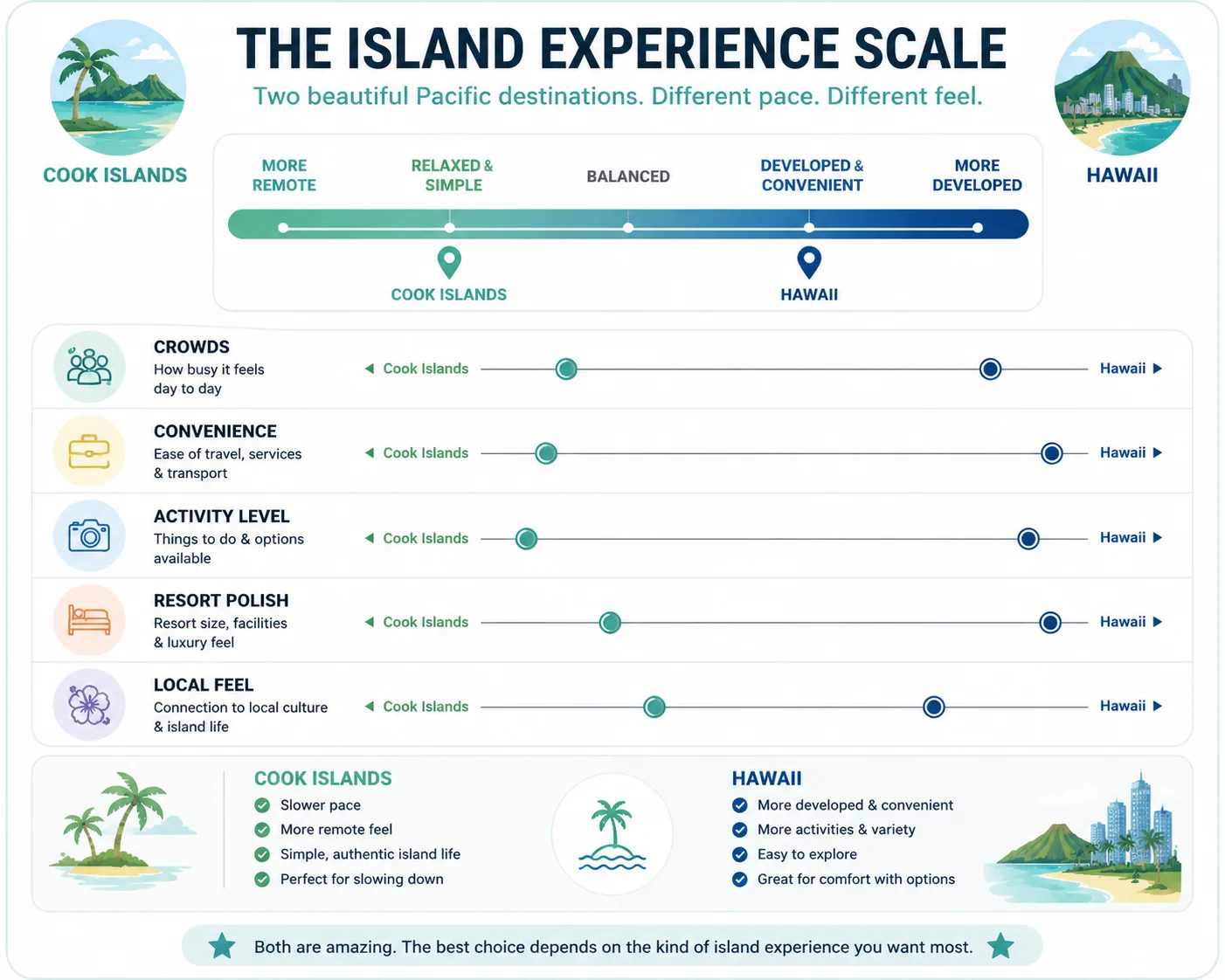
The value of this visual is that it helps readers see the tradeoff quickly. The Cook Islands usually offer a slower, simpler island feeling. Hawaii usually offers more convenience, more range, and more activity choices.
Why the Cook Islands Often Feel Slower
The Cook Islands feel slower partly because of scale. Rarotonga is small enough that travelers can quickly understand the rhythm of the island. There is one main road around the island, many days are shaped by the lagoon, and the pace rarely feels rushed.
This makes the Cook Islands appealing for travelers who want a holiday that does not require much decision-making. You can swim, eat, drive, visit a market, rest, and repeat the next day without feeling like you are missing a long list of major attractions.
That simplicity can feel deeply relaxing. It can also feel too quiet for travelers who want shopping, nightlife, theme-style attractions, large resorts, or a wide choice of day trips.
If you are considering the Cook Islands as a couple, you may also find Cook Islands vs Fiji for Couples useful because it explains how the Cook Islands compare with another popular Pacific destination for romance and quiet travel.
Can Hawaii Still Feel Slow?
Yes, Hawaii can still feel slow, but travelers often need to choose the right island and travel style. A packed Oahu itinerary with Waikiki, shopping, tours, restaurants, and day trips may not feel slow at all. It may feel exciting, convenient, and memorable, but not necessarily restful.
For a slower Hawaii experience, travelers usually need to look beyond the busiest areas. Kauai can feel slower because of its green landscapes, smaller towns, and quieter mood. Big Island can feel spacious because distances are longer and the atmosphere changes from coast to coast. Lanai and Molokai can feel quieter again, though they are not always the easiest choices for first-time visitors.
Maui can be relaxing too, especially if you avoid overplanning. However, some resort areas still feel polished and busy compared with the Cook Islands.
If you are interested in how Hawaii compares with other Pacific destinations, our article on why some travelers prefer Fiji over Hawaii may help you understand how travelers think about comfort, familiarity, cost, and island atmosphere.
Budget and Value Expectations
Neither destination should be treated as a cheap island holiday. Both the Cook Islands and Hawaii can be expensive because Pacific travel often involves long flights, imported goods, limited accommodation supply in some places, and strong seasonal demand.
The difference is how the money feels once you arrive. In Hawaii, higher costs may be balanced by choice and convenience. You may have more accommodation levels, more restaurants, more supermarkets, more tours, and more transport options depending on the island.
In the Cook Islands, the experience may feel simpler, but not always cheaper. Food, transport, accommodation, and activities can still add up. The value often comes from atmosphere rather than variety. You are paying for a quieter, smaller, more remote-feeling island rhythm.
| Budget Factor | Cook Islands | Hawaii |
|---|---|---|
| Accommodation | Smaller range, often boutique, simple, or resort-style | Wide range, from hotels and condos to major resorts |
| Food costs | Can be high because many goods are imported | Can also be high, but more choice may help with budgeting |
| Transport | Limited public options; scooters, cars, taxis, and transfers matter | More transport options, though car hire is still useful on many islands |
| Activities | Fewer choices, often lagoon and culture focused | Many more paid and free activity options |
| Value feeling | Best when you value quiet, simplicity, and atmosphere | Best when you value variety, convenience, and flexible planning |
For real travelers, the better value depends on what you are trying to buy with your trip. If you want a calm escape, the Cook Islands may feel more worth it. If you want relaxation plus choice, Hawaii may feel easier to justify.
Crowds, Development, and Resort Feel
Crowds are one of the biggest differences between these destinations. The Cook Islands can still feel busy during peak periods, especially around popular beaches, markets, and restaurants, but the scale is usually smaller. Even when there are visitors around, the destination often keeps a gentler rhythm.
Hawaii has more variation. Some places feel crowded and highly developed, especially famous beach areas, resort strips, and major tourist zones. Other places feel quieter and more natural. This is why Hawaii is not one simple experience. The island and neighbourhood you choose matter a lot.
The resort feel is also different. Hawaii often has larger, more polished resorts with extensive facilities. That can be ideal for families, first-time travelers, and visitors who want convenience. The Cook Islands tend to feel smaller and more personal, but with fewer large-scale comforts.
If you are travelling with children or comparing island convenience, Fiji vs Hawaii for Families from Australia may also help because it looks at how Hawaii works for families who need comfort, structure, and easier planning.
Best For and Not Ideal For
The right choice depends less on which destination is famous and more on what kind of island experience you actually want.
Cook Islands: Best For
- Travelers who want a genuinely slower island rhythm
- Couples looking for quiet, simple romance
- People who enjoy lagoons, swimming, and unhurried days
- Visitors who prefer smaller-scale tourism
- Travelers comfortable with limited transport and fewer choices
- People who want a peaceful Pacific atmosphere without heavy resort polish
Cook Islands: Not Ideal For
- Travelers who want strong nightlife
- People who need lots of shopping and restaurant variety
- Visitors who dislike quiet evenings
- Travelers who want highly polished large resorts everywhere
- People who become bored without frequent sightseeing
Hawaii: Best For
- Travelers who want island beauty with convenience
- Families who need more services and activity options
- First-time Pacific travelers who want easier planning
- Visitors who enjoy beaches, hikes, restaurants, shops, and cultural experiences
- Travelers who want a relaxing trip but still like variety
- People who want to choose between several island personalities
Hawaii: Not Ideal For
- Travelers expecting a completely remote island escape
- People who dislike traffic, crowds, or developed resort areas
- Visitors who want a very small-island feeling without much planning
- Travelers who may overbook every day and return home tired
- People looking for the quietest possible Pacific holiday
Practical Travel Insights
If your main goal is a slower island experience, planning matters. The destination helps shape the pace, but your itinerary can either protect that slow feeling or remove it.
- Choose the Cook Islands if you want the destination itself to help you slow down.
- Choose Hawaii if you want relaxation with more comfort, services, and activity choices.
- For slow Hawaii, consider quieter islands or quieter areas rather than the busiest resort zones.
- Avoid planning too many tours, restaurant bookings, and day trips if rest is the main goal.
- Leave flexible time for weather changes, transport delays, and slower local timing.
- Budget extra for food, transfers, rental vehicles, and imported goods in both destinations.
- For the Cook Islands, think carefully about whether Rarotonga alone is enough or whether Aitutaki fits your budget and time.
- For Hawaii, choose the island carefully because Oahu, Maui, Kauai, Big Island, Lanai, and Molokai can feel very different.
If you are mainly interested in Rarotonga as a short escape, you may also find Is Rarotonga Worth Visiting for a Short Island Escape? helpful because it focuses more closely on what Rarotonga feels like for limited travel time.
Common Traveler Misunderstandings
One common misunderstanding is thinking all Pacific islands feel the same. They do not. The Cook Islands and Hawaii may both offer beaches, warm weather, and Pacific culture, but the travel feeling is very different.
Another misunderstanding is assuming the most famous destination is automatically the most relaxing. Hawaii is famous for good reasons, but fame can bring crowds, traffic, busy beaches, and many activity choices. For some travelers, that makes the trip richer. For others, it makes it harder to slow down.
Some travelers also assume the Cook Islands will feel like a smaller Hawaii. That is not really accurate. The Cook Islands are quieter, simpler, and less developed. That can be wonderful if you want peace, but disappointing if you expected Hawaii-style convenience.
Finally, many travelers underestimate weather variability. A slower island trip is easier to enjoy when you accept that some days may be windy, humid, rainy, cloudy, or slower than planned.
Seasonal and Local Context
The Cook Islands are warm throughout the year, but the drier months are generally from April to November. The warmer, more humid period usually falls around November to March, when brief tropical showers are more likely. This does not mean travel is impossible, but it does mean flexibility helps.
Hawaii also varies by island, season, elevation, and coastline. One side of an island can feel sunnier while another feels wetter or greener. This is one reason Hawaii can be rewarding, but also why planning is more detailed than some travelers expect.
For both destinations, school holidays, peak travel periods, popular events, and accommodation demand can change the atmosphere. A place that feels calm in shoulder season may feel much busier during peak family travel periods.
Weather should not scare travelers away from either destination. It should simply shape expectations. Slower island travel works best when you allow room for changing skies, slower service, delayed transfers, and quiet days that do not go exactly to plan.
At a Glance: Which Destination Fits You Better?
If you are still unsure, this simple summary can help you match the destination to the kind of island holiday you actually want.
| If You Value… | Better Choice | Why |
|---|---|---|
| Quiet island rhythm | Cook Islands | The slower pace feels more natural and less forced |
| Convenience | Hawaii | There are more flights, hotels, restaurants, shops, and services |
| Fewer crowds | Cook Islands | The smaller scale usually feels calmer than popular Hawaiian areas |
| More activities | Hawaii | You can choose from beaches, hikes, dining, shopping, tours, and cultural sites |
| Simplicity | Cook Islands | Daily life is easier to keep slow, relaxed, and uncomplicated |
| Variety | Hawaii | Each island offers a different mix of scenery, activities, and travel style |
Related Pacific Worth Articles
If you are still comparing Pacific destinations, these related Pacific Worth articles may help you make a clearer decision:
- Why Do Some Travelers Prefer Fiji Over Hawaii?
- Cook Islands vs Fiji for Couples
- Why Are the Cook Islands Becoming More Popular with Couples?
- Is Rarotonga Worth Visiting for a Short Island Escape?
- Hawaii vs Fiji for First-Time Pacific Travelers
- Fiji vs Hawaii for Families from Australia
Pacific Worth Note: I think the slower choice is not always the destination with the least to do. It is often the place that makes you feel less pressure to keep moving. For many travelers, that is where the Cook Islands quietly stand out.
Frequently Asked Questions
Is the Cook Islands slower than Hawaii?
Yes, the Cook Islands usually feel slower than Hawaii because they are smaller, quieter, less developed, and less activity-heavy. Hawaii can still feel slow in the right areas, but it often has more movement, crowds, and travel choices.
Which is better for a quiet island holiday, Cook Islands or Hawaii?
The Cook Islands are usually better for a quiet island holiday if you want simple days, lagoon time, and fewer distractions. Hawaii is better if you want relaxation with more convenience, activities, restaurants, and services.
Can Hawaii feel peaceful?
Yes, Hawaii can feel peaceful, especially on quieter islands or away from major tourist zones. Kauai, Lanai, Molokai, Big Island, and quieter parts of Maui can offer a slower mood than busy areas like Waikiki.
Are the Cook Islands cheaper than Hawaii?
Not always. The Cook Islands can still be expensive because of flights, accommodation, limited supply, and imported goods. Hawaii may also be expensive, but it often offers more accommodation, food, and transport choices.
Which destination is better for first-time Pacific travelers?
Hawaii may feel easier for first-time Pacific travelers who want convenience and more travel support. The Cook Islands may suit first-time visitors who already know they want quiet, simplicity, and a slower small-island atmosphere.
Final Thoughts
So, when comparing Cook Islands vs Hawaii for a Slower Island Experience, the Cook Islands are usually the stronger choice for travelers who want the pace of the destination itself to feel calm, simple, and unhurried.
Hawaii can still offer a beautiful and relaxing island holiday, but it often asks travelers to make more careful choices. The island, resort area, itinerary, season, and activity level all shape whether Hawaii feels restful or busy.
The Cook Islands are not better for everyone. They can feel too quiet for travelers who want nightlife, shopping, polished resorts, and endless sightseeing. Hawaii is not too busy for everyone either. For travelers who want beaches, comfort, culture, dining, hikes, and variety, it may be the more satisfying choice.
The most important question is not which destination looks more impressive online. It is which one matches the kind of island experience you actually want. If your ideal trip is slow mornings, simple meals, lagoon swims, quiet roads, and fewer decisions, the Cook Islands may feel truly worth the journey. If you want a slower holiday with more convenience and choice nearby, Hawaii may still be the better fit.
Leave a Reply