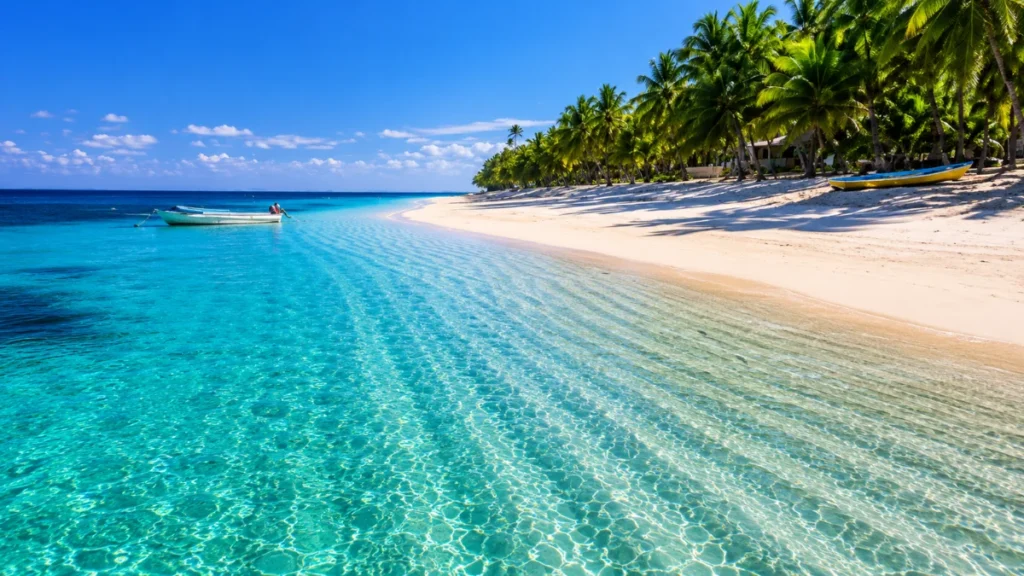
Fiji and French Polynesia are often placed near the top of Pacific travel wish lists, especially by couples, honeymooners, and travelers planning a once-in-a-lifetime island holiday. Both can involve long flights, significant accommodation costs, and limited vacation time, so it is reasonable to wonder which destination will leave the stronger memory after the trip is over.
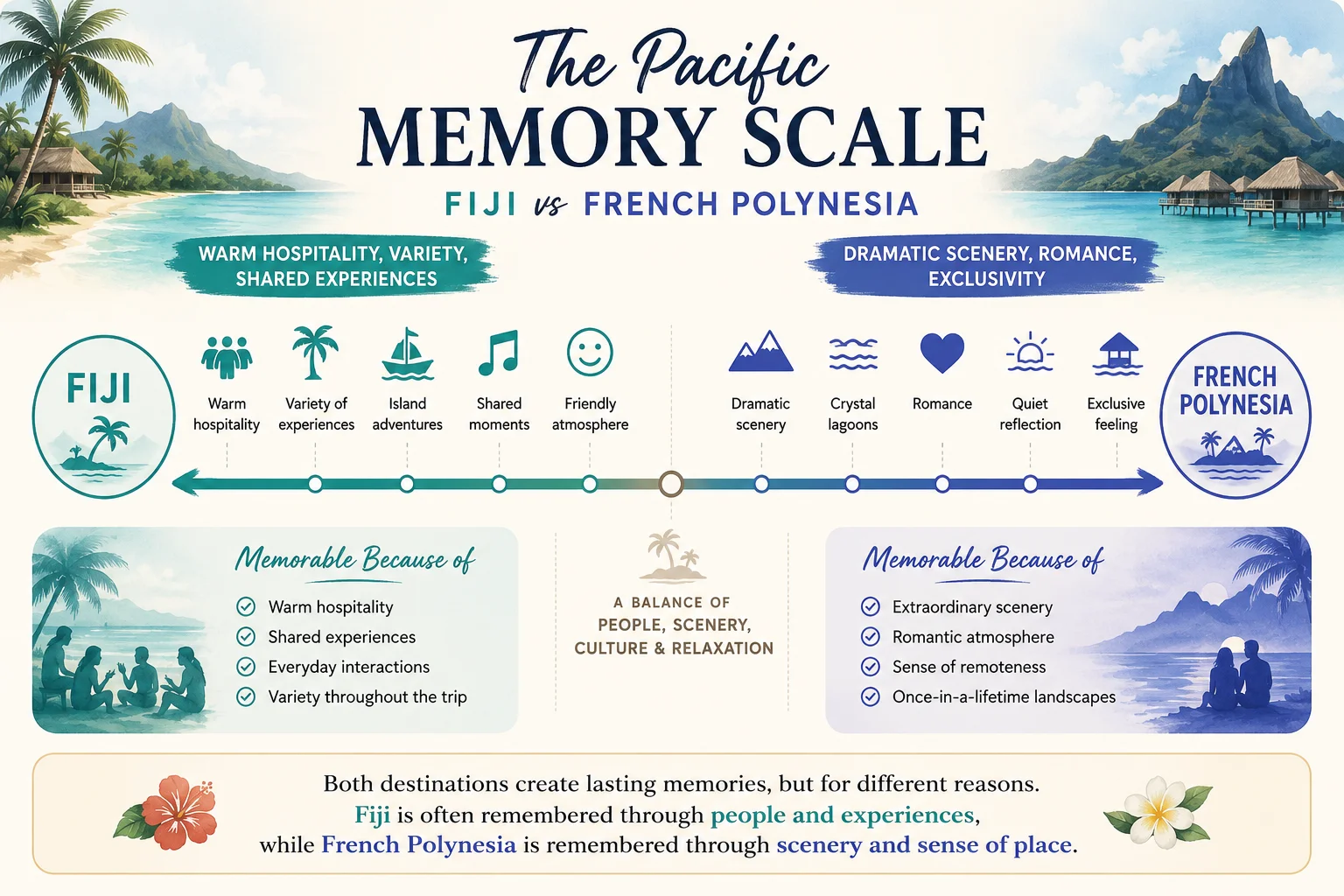
Fiji often feels memorable because of its warmth, variety, shared experiences, and easygoing human connection. French Polynesia tends to feel memorable because of its dramatic landscapes, clear lagoons, romantic atmosphere, and powerful sense of remoteness. Fiji may stay with you through the people and moments you experienced, while French Polynesia may stay with you through the scenery and feeling of being somewhere extraordinary.
The decision can be difficult because travel marketing presents both destinations through similar images: turquoise water, palm-lined beaches, overwater accommodation, tropical meals, and quiet sunsets. What those images do not explain is how the destinations differ during an ordinary day, how polished or local they feel, how much movement a trip requires, and what kind of memories travelers are most likely to bring home.
This article answers Fiji vs French Polynesia: Which Feels More Memorable? by comparing atmosphere, scenery, local interactions, resorts, culture, activities, travel pace, cost expectations, logistics, and traveler fit. The goal is not to declare one destination universally better, but to help you choose the experience that is more likely to feel meaningful to you personally.
Fiji vs French Polynesia at a Glance
The most useful way to begin is by understanding that Fiji and French Polynesia are memorable for different reasons. Fiji often creates a fuller mix of social, cultural, active, and resort-based memories. French Polynesia often creates a more concentrated feeling of beauty, romance, stillness, and visual impact.
| Travel Factor | Fiji | French Polynesia |
|---|---|---|
| Most memorable for | Warm interactions, variety, shared activities, and easygoing island energy | Dramatic scenery, lagoons, romance, remoteness, and visual beauty |
| Overall atmosphere | Friendly, social, relaxed, varied, and generally accessible | Quiet, scenic, romantic, refined, and more distant from everyday life |
| Resort experience | Broad range, including family resorts, private islands, and affordable options | More strongly associated with couples, luxury stays, overwater bungalows, and lagoon settings |
| Local interactions | Often frequent, warm, conversational, and central to the trip | Usually calm and welcoming, but the experience can feel more private and resort-contained |
| Travel logistics | Generally easier for first-time Pacific travelers, depending on the island | Can require more expensive flights and additional inter-island planning |
| Budget flexibility | Wider range of accommodation and holiday styles | Possible without extreme luxury, but popular islands can still be costly |
| Best general fit | Families, groups, repeat visitors, active couples, and travelers wanting variety | Honeymooners, scenery-focused couples, slower travelers, and those seeking a rare-feeling escape |
This broad comparison does not mean Fiji lacks remarkable scenery or that French Polynesia lacks culture and warmth. Both destinations offer much more than their travel stereotypes. The difference is which qualities tend to dominate the memory after the trip.
The Real Pacific Travel Reality Check
Pacific travel often looks effortless online, but the actual journey requires patience and realistic planning. Flights may be limited, island transfers can depend on weather, imported food and household goods can cost more, and schedules may move at a slower rhythm than travelers are used to at home.
Fiji is usually the easier of the two destinations to approach, particularly for travelers from Australia and New Zealand. It has a well-established tourism industry, a wide range of resorts, familiar transfer systems, and holiday options for different budgets. However, Fiji is not one single travel experience. A stay on Denarau can feel very different from a small outer-island resort, a Coral Coast property, or time spent in a local town.
French Polynesia covers a wide and remote collection of islands. Tahiti is the main arrival point, but many travelers continue to Moorea, Bora Bora, or another island. That can mean additional flights, ferries, luggage arrangements, transfer costs, and time spent moving between accommodation. The journey may feel more complex, but the growing sense of remoteness can also become part of what makes it memorable.
In both destinations, tropical weather can interrupt plans. Boat trips may be delayed, lagoon conditions can change, clouds may cover mountain views, and a rainy afternoon can alter the mood of an expensive resort stay. Neither Fiji nor French Polynesia guarantees perfect conditions every day.
The important question is whether you see slower island logistics as an inconvenience to minimize or as part of the experience. Travelers who leave space in their itinerary are usually better able to enjoy both destinations without feeling that every hour must follow a strict plan.
What Many Travel Comparisons Miss
Many Fiji and French Polynesia comparisons focus on which destination has better beaches, clearer water, or more luxurious resorts. Those questions are understandable, but they do not fully explain why one trip may remain emotionally stronger in a traveler’s memory.
Memories are not created by scenery alone. They are shaped by how relaxed you felt, who you spoke with, what you did together, whether the destination matched your personality, and whether the trip felt natural or pressured. A less expensive beachfront stay can sometimes become more meaningful than a famous luxury property if the atmosphere better suits the traveler.
Fiji often gives travelers more opportunities for shared activity. A holiday might include village visits, snorkeling trips, family meals, resort entertainment, boat journeys, conversations with staff, and time with other travelers. French Polynesia can feel quieter and more private. The memory may centre on waking to a mountain view, swimming in a calm lagoon, watching the light change over the water, or feeling far removed from ordinary life.
This is why “worth it” depends heavily on traveler personality. A social traveler may remember Fiji more vividly. A scenery-focused traveler may feel deeply moved by Moorea or Bora Bora. A family may value the ease and warmth of a Fijian resort, while a honeymooning couple may prefer the privacy and slower rhythm associated with French Polynesia.
If you are comparing different islands within French Polynesia, Bora Bora vs Moorea: Which Is More Worth It? explains why those two well-known islands can create very different experiences.
Fiji vs French Polynesia: Expectation vs Reality
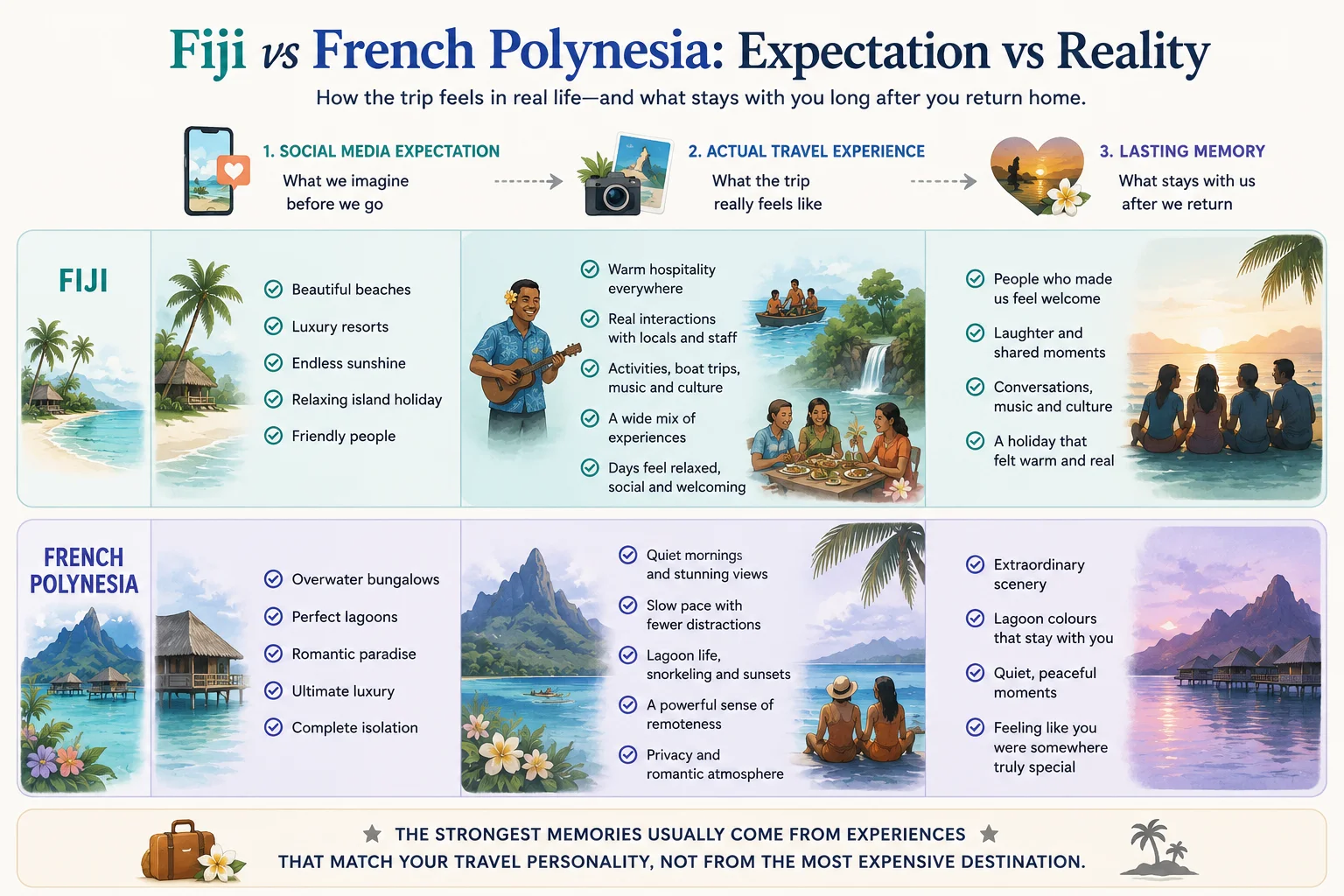
Travel expectations are often formed by highly edited resort images. Fiji is presented as warm, carefree, and endlessly welcoming. French Polynesia is presented as a nearly perfect world of overwater bungalows and luminous lagoons. Both ideas contain some truth, but neither represents the complete experience.
| What Travelers May Expect | What Fiji Often Feels Like | What French Polynesia Often Feels Like |
|---|---|---|
| Every beach looks untouched | Some beaches are beautiful, while others vary by island, tide, weather, and resort location | Lagoon scenery can be exceptional, but beach quality and shoreline conditions still vary between islands and properties |
| Luxury defines the whole destination | Experiences range from simple local stays to private-island resorts | Luxury is highly visible, but pensions, guesthouses, and non-luxury stays are also part of the destination |
| Island transfers are effortless | Transfers can be straightforward, but outer-island boat journeys may still depend on schedules and weather | Travel between islands can require domestic flights, ferries, waiting time, and careful coordination |
| The destination will feel private everywhere | Popular resorts can feel social, active, and family-oriented | Many stays feel quiet and romantic, but famous viewpoints and popular resorts may still attract other visitors |
| Perfect sunshine is guaranteed | Rain, humidity, wind, and cloud are normal parts of a tropical climate | Weather can change the appearance of lagoons and mountain views, especially during wetter periods |
| The most expensive stay creates the best memory | Warm service and shared experiences may matter more than room category | Scenery and privacy may matter more than whether every part of the accommodation feels luxurious |
Social media tends to show the visual peak of each destination. It does not show waiting for a transfer, paying high prices for imported products, adjusting plans around rain, or spending a quiet evening when there is little nightlife nearby. These realities do not make the destinations disappointing. They simply help explain why the experience feels slower and more remote than an ordinary resort holiday.
Why They Create Different Kinds of Memories
Fiji often creates memories through human warmth and variety. Travelers may remember a welcoming song, a conversation with resort staff, children joining activities, a lively boat ride, a village visit, or the relaxed feeling of being recognised after several days at the same property.
French Polynesia often creates memories through place. Travelers may remember the shape of Moorea’s mountains, the colour of Bora Bora’s lagoon, the stillness of an early morning, or the feeling of looking across water that seems almost unreal. These memories can be quieter but visually powerful.
One type of memory is not more genuine than the other. Fiji may feel memorable in a warm, personal, active way. French Polynesia may feel memorable in a reflective, romantic, visually concentrated way.
The decision therefore comes down to what usually moves you when you travel. Do you remember conversations, laughter, variety, and shared activity? Or do you remember landscapes, silence, atmosphere, and rare moments of stillness?
Island Atmosphere and Emotional Feel
Fiji generally has a warmer and more outwardly social holiday atmosphere. Welcoming traditions, group activities, friendly conversation, and resort interaction can make visitors feel included quickly. Even at a quiet property, the human side of the experience is often noticeable.
The atmosphere also changes depending on where you stay. Denarau can feel polished, convenient, and resort-focused. The Coral Coast may feel more spread out and connected to the mainland landscape. Smaller islands can feel intimate, relaxed, and removed from daily routines. This variety is one of Fiji’s strengths, but it also means travelers need to choose their location carefully.
French Polynesia often feels more visually dramatic and emotionally quiet. Moorea can feel green, mountainous, and lived-in, with roads circling the island and local communities visible beyond the resorts. Bora Bora can feel more separated from ordinary life, particularly at resorts positioned on surrounding motu. Tahiti feels busier and more practical, serving as the main entry point rather than matching the isolated lagoon image many travelers associate with the destination.
There is often a more private rhythm in French Polynesia. Couples may spend long periods swimming, resting, eating, or simply looking at the landscape. This can feel deeply peaceful to travelers who want to disconnect. Others may find the experience too quiet if they prefer constant activity or social energy.
| Atmosphere Factor | Fiji | French Polynesia |
|---|---|---|
| Social energy | Usually warmer, more conversational, and more group-oriented | Usually quieter, more private, and more couple-oriented |
| Visual impact | Beautiful and varied, particularly across different island groups | Often more concentrated and dramatic, especially around mountains and lagoons |
| Resort mood | Can range from active and family-friendly to intimate and remote | Often calm, romantic, refined, and focused on the surrounding scenery |
| Local life visibility | Strong in towns, villages, markets, and mainland travel | More visible on islands such as Tahiti and Moorea than inside isolated luxury resorts |
| Sense of remoteness | Varies widely depending on the island | Often stronger, particularly after traveling beyond Tahiti |
What Makes Fiji Feel Memorable?
Fiji’s strongest memories often come from the way people shape the holiday. The destination is known for a welcoming visitor culture, but the experience is not only about formal greetings. It can be the small daily interactions that stay with travelers: being remembered by name, talking during a boat transfer, hearing music during dinner, or watching children become comfortable with resort staff.
Fiji also gives travelers more ways to create different memories within one trip. A family may combine pool time, snorkeling, cultural activities, kids’ club sessions, and a mainland excursion. Couples can choose a private-island stay, a social resort, a diving-focused holiday, or a mix of relaxation and adventure.
This variety can make Fiji feel more complete for travelers who become restless when a trip is based mainly around scenery and quiet. There is often something else to do, another island to visit, or a different style of accommodation to consider.
Fiji can also become more memorable with repeat visits. Travelers may return to a familiar resort, build relationships with staff, or explore a different island group. Our article Why Do Travelers Keep Returning to Fiji? looks more closely at why the destination develops such a strong repeat-visitor appeal.
Fiji’s Most Memorable Qualities
- Warm and frequent human interactions
- A broad choice of island and resort experiences
- Activities that work well for families, groups, and couples
- A relaxed social atmosphere that can feel easy to enter
- The ability to combine culture, beaches, water activities, and resort comfort
Fiji’s emotional strength is that the trip often feels shared. Even when the scenery is beautiful, it may be the people around that scenery who give the experience its lasting character.
What Makes French Polynesia Feel Memorable?
French Polynesia’s strongest memories often begin with the landscape. The combination of high volcanic mountains, clear lagoons, reef edges, changing water colours, and wide ocean distances can make travelers feel that they have reached somewhere genuinely separate from ordinary life.
Moorea often feels memorable because the island combines dramatic scenery with a more grounded daily rhythm. Travelers can drive around the island, visit beaches, eat at local restaurants, see villages, and experience the mountains from different angles. It may feel less exclusive than Bora Bora, but more varied and connected to local life.
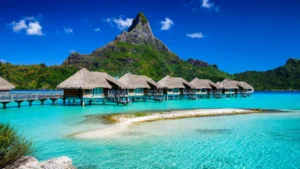
Bora Bora can create a more concentrated version of the French Polynesian dream. Its lagoon and mountain shape are immediately recognisable, and resorts on surrounding motu can create a powerful sense of separation. For some travelers, that is exactly what makes the expense worthwhile. For others, the resort bubble can feel limiting after several days.
Tahiti is often misunderstood because it does not always match the quiet-lagoon image used to promote French Polynesia. It is busier, more urban, and more practical. However, it offers markets, local food, cultural context, black-sand beaches, mountainous interiors, and a clearer sense of everyday Polynesian life.
Travelers who are unsure whether French Polynesia requires a luxury budget may find Is Tahiti Worth Visiting Without Staying in Luxury Resorts? helpful. It explains why the destination can still have value beyond its most expensive accommodation.
French Polynesia’s Most Memorable Qualities
- Mountain and lagoon scenery that feels visually distinctive
- A strong sense of distance from ordinary routines
- Quiet moments that suit couples and reflective travelers
- Romantic accommodation and private resort settings
- The contrast between Tahiti, Moorea, Bora Bora, and less-visited islands
French Polynesia’s emotional strength is that the place itself can dominate the memory. Travelers may forget small details about the resort but still remember the colour of the water, the outline of the mountains, and the silence of the morning.
Scenery, Lagoons, and Natural Impact
If visual impact is your main measure of memorability, French Polynesia will often have the advantage. Moorea and Bora Bora combine lagoons with steep volcanic landscapes in a way that can feel immediately recognisable and difficult to compare with an ordinary beach destination.
The water is not the only attraction. The mountains give the islands a sense of scale, enclosure, and drama. Clouds moving across the peaks can change the atmosphere within minutes. Even a grey or rainy period may feel visually interesting rather than simply disappointing.
Fiji’s scenery is more varied across its many islands. Some areas have long beaches, others have forested hills, reef systems, rivers, waterfalls, mangroves, or small offshore islands. The strongest scenery may require choosing the right region rather than assuming every resort offers the same landscape.
Fiji can feel more naturally diverse during a longer trip. French Polynesia may deliver a more immediate visual peak. The better choice depends on whether you prefer one iconic landscape or a broader mixture of tropical environments and island experiences.
People, Culture, and Local Interactions
Both Fiji and French Polynesia have living cultures that deserve more attention than resort entertainment alone. However, travelers often encounter those cultures in different ways.
In Fiji, warmth and hospitality are frequently woven into the resort experience. Music, conversation, cultural demonstrations, village visits, local food, and daily staff interactions can become central parts of the holiday. These moments can feel natural and generous, although travelers should still remember that resort experiences are shaped for visitors.
Beyond resort areas, Fiji offers markets, towns, villages, religious communities, Indo-Fijian food and culture, and everyday local life. Travelers who remain only inside a self-contained property may see only one part of the country.
French Polynesian culture can feel quieter to visitors, particularly in private resorts where much of the holiday revolves around the lagoon and accommodation. Cultural performances, local crafts, food, language, music, dance, tattoos, and community life remain important, but travelers may need to leave the resort setting to understand the destination more fully.
Moorea and Tahiti generally make this easier because local communities, roadside businesses, markets, and ordinary daily movement are more visible. A remote Bora Bora motu resort may create a beautiful experience, but it can also separate travelers from much of the island’s everyday life.
Fiji may feel more immediately personal, while French Polynesia may require a more intentional effort to move beyond the romantic resort image. Neither approach is automatically more authentic. What matters is how the traveler chooses to engage with the destination.
Resort Feel and Accommodation
The accommodation experience strongly influences how each destination feels. Fiji has a wider variety of resort styles and price points. Travelers can choose large family properties, adults-only retreats, private-island resorts, diving stays, modest hotels, guesthouses, or mainland accommodation near towns and transport.
This wider range can make Fiji easier to match with a real budget. However, low room prices do not always mean a low-cost holiday. Meals, boat transfers, activities, and resort charges can increase the final amount, especially on islands where guests have limited alternatives nearby.
French Polynesia’s international image is closely connected to overwater bungalows. These stays can be deeply memorable, particularly when the room opens directly onto a lagoon. Yet the cost can be high, and the experience may not suit every traveler. Some overwater stays offer privacy and remarkable views, while others may be closer to neighbouring rooms, boat traffic, or resort activity than photographs suggest.
Land-based rooms, small hotels, pensions, and guesthouses can provide better value and a stronger connection to local communities. Travelers do not need to spend every night over water to appreciate French Polynesia. A mixed stay may create more variety while keeping the overall budget under control.
| Accommodation Factor | Fiji | French Polynesia |
|---|---|---|
| Range of options | Very broad, including family resorts, local hotels, private islands, and simpler stays | Good variety, but famous islands are strongly associated with premium resorts |
| Overwater accommodation | Available in limited settings but not central to the destination’s identity | A major part of the destination image, especially in Bora Bora and Moorea |
| Family suitability | Strong, with many resorts designed around children and shared activities | Available, but many well-known properties and experiences lean toward couples |
| Budget flexibility | Generally stronger across different regions and resort types | Possible with pensions and guesthouses, though flights and island transfers remain important costs |
| Most memorable resort quality | Service, warmth, activities, and social atmosphere | Lagoon access, privacy, views, and a sense of exclusivity |
Activities and Daily Experience
Fiji usually offers a more active and varied holiday structure. Depending on the island, travelers may have access to snorkeling, diving, kayaking, paddleboarding, village visits, cultural activities, cooking demonstrations, waterfall trips, fishing, surfing, spa treatments, and family entertainment.
This can make each day feel different. It is particularly useful for families or groups whose members do not all want the same kind of holiday. One person can relax while others join an excursion or resort activity.
French Polynesia also offers snorkeling, diving, lagoon tours, hiking, whale-related experiences in season, cultural visits, boat trips, and road exploration. However, the daily experience often feels less crowded with scheduled activities. The landscape and water may become the main event rather than one item in a full resort programme.
In Bora Bora, a lagoon tour may become the defining day of the trip. In Moorea, travelers can combine lagoon time with scenic drives, viewpoints, food stops, and mountain activities. Tahiti offers a more local and varied experience, including markets, coastal drives, valleys, waterfalls, and urban life.
Fiji may be more memorable for travelers who value doing things together. French Polynesia may be more memorable for travelers who value being somewhere remarkable, even when the day itself is simple.
Travel Pace and Island Movement
Fiji can support both short resort stays and more ambitious island combinations. Travelers may choose one property for the entire trip or divide time between the mainland and an outer island. The amount of movement depends on how much variety they want.
French Polynesia often encourages travelers to combine at least two islands because Tahiti is the main gateway and each island has a different character. Tahiti, Moorea, and Bora Bora can work together, but every additional transfer uses time and money.
Too much island hopping can weaken the experience in both destinations. Packing, checking out, waiting, flying, taking ferries, and arranging transfers can make a holiday feel like a sequence of logistics rather than a meaningful escape.
A slower itinerary usually creates stronger memories. Staying long enough to notice changes in weather, become familiar with the resort rhythm, return to a favourite place, or speak with the same people more than once can make the trip feel more personal.
Travelers planning a limited holiday may also find Which Pacific Islands Are Best for a One-Week Trip? useful when deciding how much movement is realistic within seven days.
Budget and Value Expectations
Fiji generally gives travelers more control over the shape of the budget. There are luxury resorts, but there are also mainland hotels, local accommodation, family packages, and properties aimed at mid-range travelers. Flights may also be more practical from Australia and New Zealand, depending on the departure city and travel dates.
However, Fiji can become expensive when travelers choose private-island resorts, include boat transfers, purchase meal plans, book several excursions, or travel during busy school holiday periods. A seemingly affordable room may be only one part of the real cost.
French Polynesia often begins with a higher transport cost, particularly when domestic flights are added. Bora Bora accommodation can be expensive, and food prices may reflect the cost of imported products and remote logistics. Moorea can offer better value, especially when travelers choose land-based accommodation, self-catering options, or local restaurants.
Value should not be measured only by the cheapest possible trip. The more useful question is whether the cost gives you the experience you care about most. Paying extra for Bora Bora may feel worthwhile to a traveler who has dreamed about that specific lagoon for years. The same cost may feel unnecessary to someone who prefers activity, culture, and a wider range of daily experiences.
| Budget Area | Fiji | French Polynesia |
|---|---|---|
| International access | Often more practical for travelers from Australia and New Zealand | Usually requires more planning and may involve higher airfares |
| Accommodation choice | Broad range across budget, mid-range, family, and luxury categories | Affordable options exist, but famous islands are strongly associated with premium pricing |
| Inter-island travel | Can involve boat, seaplane, or domestic-flight costs depending on the region | Domestic flights and ferry connections can become a major part of the total budget |
| Food | Resort meal plans can be costly, while mainland choices may provide more flexibility | Imported foods and resort dining can be expensive; local eateries and self-catering can help |
| Best value for | Travelers seeking variety, warmth, activities, and accommodation choice | Travelers who place high value on scenery, romance, lagoons, and remoteness |
For a more detailed look at Fiji’s real costs, read How Expensive Is Fiji Really in 2026?. Travelers building a French Polynesia budget may also find How Much Does a Bora Bora Trip Actually Cost? useful before deciding whether Bora Bora should be included.
Which Destination Fits Your Travel Style?
The most memorable destination will usually be the one that matches how you naturally enjoy traveling. Choosing according to popularity alone can create disappointment, even when the destination itself is beautiful.
| Traveler Type | Likely Better Fit | Why |
|---|---|---|
| Families with younger children | Fiji | More family resorts, kids’ clubs, shared activities, and convenient holiday structures |
| Honeymooners seeking iconic scenery | French Polynesia | Strong romantic atmosphere, lagoon resorts, mountain views, and greater visual impact |
| Social travelers | Fiji | Warm interaction, resort activities, and a more outwardly welcoming holiday energy |
| Quiet couples | French Polynesia | More privacy, slower days, and a stronger focus on scenery and time together |
| Travelers wanting budget flexibility | Fiji | Generally more accommodation styles and easier ways to shape the overall trip |
| Travelers seeking a rare-feeling destination | French Polynesia | Greater remoteness and distinctive lagoon-and-mountain landscapes |
| Active groups with different interests | Fiji | More varied resort programming and easier options for mixed travel preferences |
| Photography and landscape-focused travelers | French Polynesia | Moorea and Bora Bora provide highly recognisable and dramatic natural settings |
| Repeat Pacific travelers | Either | Fiji rewards deeper island exploration, while French Polynesia offers distinct islands beyond its famous names |
Best For and Not Ideal For
Neither destination is ideal for every traveler. Thinking honestly about your pace, budget, preferred atmosphere, and reason for traveling will make the choice clearer.
Fiji Is Best For
- Families who want resorts, children’s activities, and easier holiday planning
- Travelers who value warm interaction and a friendly social atmosphere
- Couples who want a mix of relaxation, culture, and activities
- Groups with different interests and energy levels
- Travelers who want more accommodation and budget flexibility
- Visitors who may want to return and explore different islands over time
Fiji Is Not Ideal For
- Travelers whose main goal is iconic overwater accommodation
- Visitors expecting every part of Fiji to feel remote or untouched
- People who choose a busy family resort but actually want complete silence
- Travelers who do not research how different Fiji’s regions and islands can feel
- Strict-budget visitors who underestimate meal plans, transfers, and resort extras
French Polynesia Is Best For
- Honeymooners and couples seeking a quiet, visually memorable escape
- Travelers who value lagoons, mountain scenery, and a strong sense of place
- Visitors who enjoy slow days with fewer scheduled activities
- Travelers willing to spend more for remoteness or a specific dream experience
- People who prefer privacy and reflective travel over busy social energy
- Travelers who want to combine islands with clearly different personalities
French Polynesia Is Not Ideal For
- Travelers who need constant entertainment or nightlife
- Visitors who feel restless during quiet resort days
- Strict-budget travelers expecting Bora Bora to be inexpensive
- People who dislike domestic flights, ferries, and additional transfer planning
- Travelers expecting every island to look and feel like Bora Bora
Practical Travel Insights
The choice becomes easier when you picture how you want an ordinary day to feel rather than focusing only on the most impressive travel photograph.
- Choose Fiji if you want warmth, variety, activities, family-friendly options, and a wider range of budgets.
- Choose French Polynesia if dramatic scenery, privacy, romance, and remoteness matter more than constant activity.
- Do not treat Fiji as one uniform destination. Research the atmosphere of your specific island, region, and resort.
- Do not assume French Polynesia requires an overwater bungalow every night. A mixed accommodation plan can provide better value and variety.
- Include meals, transfers, domestic flights, resort charges, and excursions when comparing total trip costs.
- Leave flexibility for tropical weather and transport changes, particularly when boat or island transfers are involved.
- Avoid adding too many islands to a short itinerary. Fewer transfers often create a calmer and more memorable trip.
- Think about what you usually remember after traveling: people and activities, or landscapes and quiet moments.
Common Traveler Misunderstandings
One common misunderstanding is that Fiji and French Polynesia offer the same basic holiday at different prices. In reality, their emotional character can be very different. Fiji often feels warmer, more social, and more varied. French Polynesia often feels quieter, more visually concentrated, and more remote.
Another misconception is that French Polynesia is only for wealthy honeymooners. Luxury tourism is a major part of its international image, but travelers can also use pensions, guesthouses, smaller hotels, land-based rooms, and local food options. The destination may still be expensive to reach, but luxury is not the only way to experience it.
Fiji is also sometimes reduced to large family resorts. Those properties are important, but they do not represent every Fijian experience. Smaller islands, diving resorts, local towns, villages, and remote properties can create a very different atmosphere.
Travelers may also assume that more expensive always means more memorable. Price can create access to privacy, comfort, and location, but it cannot guarantee emotional connection. A famous overwater bungalow may feel less meaningful than expected if the traveler becomes bored, while a simpler Fijian stay may become unforgettable because of the people and experiences.
Finally, both destinations are sometimes imagined as permanently sunny. Tropical rain, cloud, humidity, wind, and changing sea conditions are part of the real environment. A memorable trip usually comes from accepting some variability rather than expecting every day to look like a tourism photograph.
Seasonal and Local Context
Weather can influence which destination feels more rewarding. Drier and cooler periods are generally popular because outdoor conditions may feel more comfortable and predictable. These periods can also bring higher prices and stronger demand for well-known resorts.
Wetter months can bring humidity, heavier showers, cloudier periods, and more uncertainty around water activities. They can also create greener landscapes, quieter resorts, and occasional savings. Rain does not normally mean every day is completely lost, but travelers should avoid building an itinerary that depends on perfect weather at every stage.
Fiji’s wet season can affect different regions in different ways. Travelers considering lower-season pricing should balance the savings against humidity, rainfall, and the possibility of disrupted outdoor plans. Our guide Is It Better to Visit Fiji During Wet Season? explains those tradeoffs in more detail.
French Polynesia’s weather also shapes the visual experience. Bright conditions can intensify lagoon colours, while clouds can partly hide mountain peaks. However, changing weather can create a dramatic mood around islands such as Moorea, where the landscape remains a major part of the experience even without uninterrupted sunshine.
School holidays, honeymoon seasons, cruise schedules, and major local events can also affect crowd levels and accommodation prices. Booking the most popular property during the busiest period may provide better weather expectations, but it may not deliver the quiet atmosphere shown in marketing images.
Pacific Worth Note: I think Fiji and French Polynesia remain memorable in different parts of the mind. Fiji can be remembered through voices, laughter, activities, and how welcome the trip felt. French Polynesia can be remembered almost like a landscape that never fully leaves you. The better choice depends on whether people and shared moments or scenery and stillness usually matter more to you.
Frequently Asked Questions
Fiji vs French Polynesia: Which feels more memorable?
Fiji often feels more memorable for its welcoming people, social atmosphere, activities, and variety. French Polynesia often feels more memorable for its dramatic mountains, lagoons, romance, privacy, and sense of remoteness. The stronger choice depends on whether you value human connection and shared experiences or scenery and quiet atmosphere more.
Is Fiji or French Polynesia better for a honeymoon?
French Polynesia may be the stronger choice for honeymooners who want iconic scenery, overwater accommodation, privacy, and slow romantic days. Fiji may be better for couples who want romance combined with activities, warm social interaction, easier planning, and greater budget flexibility.
Is French Polynesia more expensive than Fiji?
French Polynesia is often more expensive overall, particularly when international flights, domestic flights, Bora Bora accommodation, and resort dining are included. Fiji generally offers a wider range of budgets, although private-island resorts, transfers, meal plans, and activities can still make a Fiji holiday expensive.
Which destination is better for families?
Fiji is usually easier for families because it has more family-focused resorts, kids’ clubs, organized activities, and accommodation choices. French Polynesia can work for families, particularly on Tahiti and Moorea, but many of its best-known resorts and experiences are more strongly aimed at couples.
Which has better scenery, Fiji or French Polynesia?
French Polynesia often has the stronger immediate visual impact because islands such as Moorea and Bora Bora combine steep volcanic mountains with clear lagoons. Fiji has highly varied scenery across many islands, but travelers need to choose their specific region carefully because the landscape and beach experience differ widely.
Final Thoughts
So, Fiji vs French Polynesia: Which Feels More Memorable? Fiji usually creates stronger memories through warmth, people, variety, activities, and shared experiences. French Polynesia often creates stronger memories through dramatic scenery, clear lagoons, romance, quietness, and the feeling of being far away from ordinary life.
Fiji may be the better choice for families, groups, first-time Pacific travelers, active couples, and visitors who want more accommodation flexibility. Its strongest moments often feel personal and social.
French Polynesia may be the better choice for honeymooners, quiet couples, landscape-focused travelers, and visitors who are willing to spend more for a distinctive sense of place. Its strongest moments often feel visual, private, and reflective.
Neither destination guarantees that every day will feel perfect. Weather changes, transfer delays, expensive imports, resort limitations, and slower island logistics are part of real Pacific travel. These realities matter, but they do not remove the value of the journey when expectations are realistic.
The most memorable destination is not automatically the most famous, luxurious, or expensive one. It is the destination whose atmosphere matches the way you naturally connect with travel.
For Pacific Worth, that is what makes a journey truly worthwhile: not simply arriving somewhere beautiful, but choosing a Pacific experience that continues to feel meaningful after you return home.
Leave a Reply